When Do Elk Rut?
The elk rut runs from about mid-September into mid-October — but the date that matters isn't when the woods are loudest, it's when cows actually breed. Bulls strip their velvet and start getting vocal in mid-to-late August, yet the first cows don't come into estrus until around September 8, and the national-average first-estrus date is about September 12. That makes the calling sweet spot in most Western states the first three weeks of September — earlier than the "traditional" late-September rut a lot of hunters plan their trips around.
Pre-rut: late Aug – ~Sep 7. Bulls vocal but cows not cycling; herds not locked up.
Peak rut: ~Sep 8 – Sep 18, centered on the Sep 12 average first estrus. Best calling.
Post-rut / second rut: late Sep into October, when yearling calves cycle.
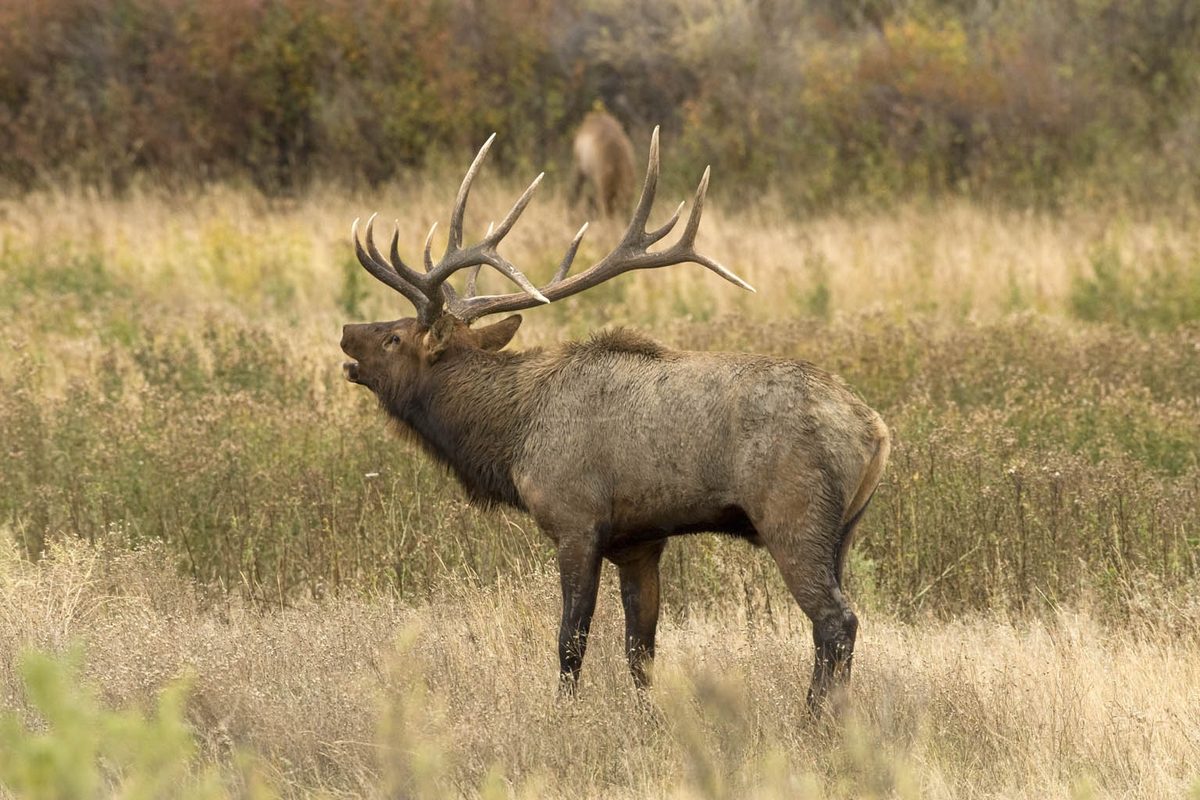
The Elk Rut Timeline
Here's how a season unfolds. These dates track the cows' cycle, which is what really drives the rut:
The Three Phases of the Rut
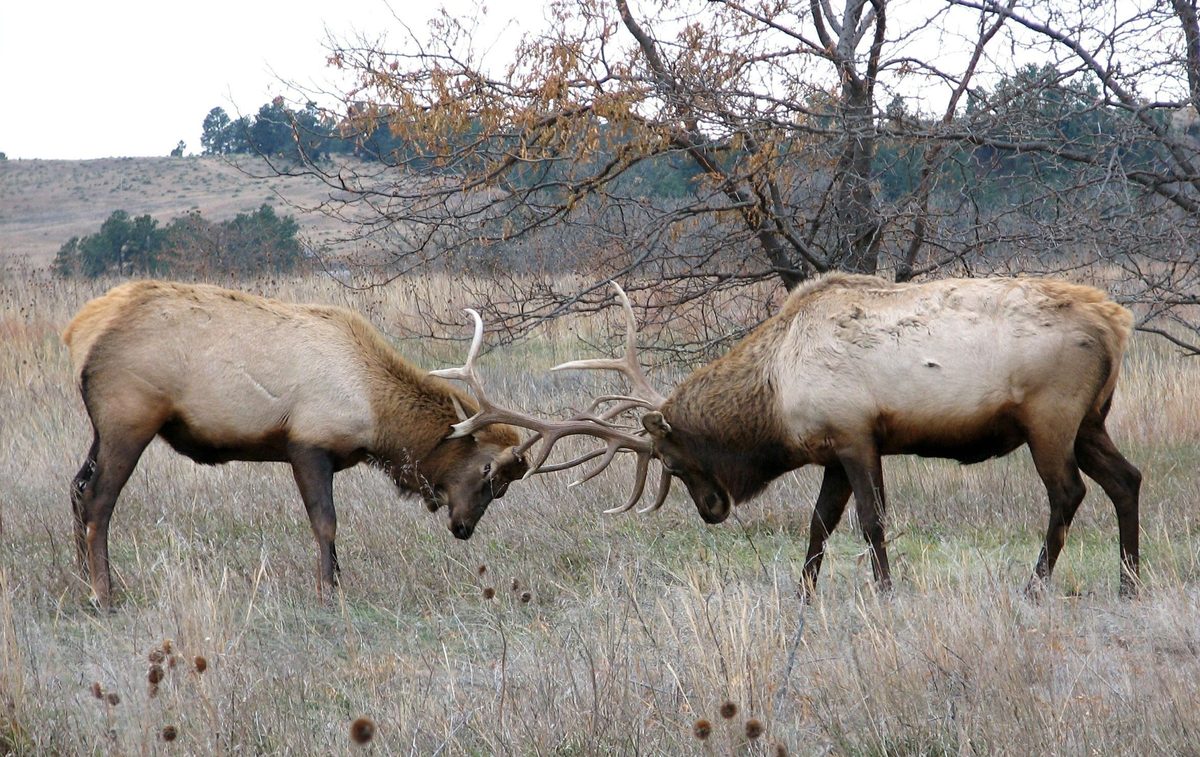
Bulls are ready, cows aren't
Testosterone is up and bulls are hard-horned, but the cows haven't started cycling, so bulls aren't yet gathering and guarding herds. Expect quiet days and vocal nights.
Cows cycle and bulls herd up
Cows begin coming into estrus, bulls gather and guard cows, and the whole woods come alive. This is prime time, but there's a catch: once a herd bull is locked onto his cows, calling him out is hard. The move is to slip in tight on the cows and address them directly, or pull the bull with a distressed calf. Center your hunt here if you can.
Herds break up, calves cycle
The main breeding wave passes and herds start to disperse, so the loud herd dynamics fade. But yearling calves come into estrus in October — a "second rut" — and the distressed calf sequence stays deadly well past the main event, which is why it's the call that works across the whole season.
Why the Rut Runs Earlier Than Most Hunters Think
Ask around and most people will tell you the rut peaks September 19–27. Plenty of bulls are killed then — but that window is chosen because it's the loudest, not because it's the most callable. By late September the herds are established and the herd bulls are already locked onto cows, so pulling that herd bull off his harem is an uphill fight.
Time your hunt to the cows' cycle instead. Bracketing the September 12 average first-estrus date — roughly the 6th through the 17th — catches bulls that are fired up but whose herds aren't fully assembled yet, which is exactly when calling works best.
The Best Week to Hunt Elk in 2026
If you're picking one week for the 2026 archery season, take September 8–14 — it sits right on the September 12 average first-estrus date, so bulls are vocal and starting to gather cows but the herds aren't locked down yet. If you can hunt longer, September 6–17 is the window to build around. Those dates hold within a few days across most Western states, because the rut is driven by the cows' cycle (which tracks daylight), not the calendar or the weather.
It's a week or so earlier than the "traditional" best-week pick most hunters chase — and that's the point: you're timing it to when elk are most callable, not just when the woods are loudest.
Does the Rut Vary by State and Elevation?
Less than you'd expect. The rut is driven by the cows' cycle, and that tracks daylight (photoperiod) far more than weather, so the core timing is consistent across the Western range within a few days. Coastal and lower-elevation herds tend to run a touch earlier; states like Montana and New Mexico can run slightly later. But the September 8–12 first-estrus window holds up almost everywhere — you can plan around it.
The Daily Rhythm During the Rut
Within a single rut day, the bugles shift on a predictable clock — and knowing which one you're hearing tells you what the bull is doing:
- Pre-dawn: long, high location bugles as bulls warn each other across the dark. Best time to pinpoint a bull.
- Dawn, herd moving: shorter, fluty roundup bugles as the bull pushes his cows toward the bedding area.
- Mid-morning (~9 a.m.), bedded: short, raspy bull-calling-cows bugles once the herd settles — the window to move in tight and call.
Not sure which bugle is which? Hear a reference clip of every one in the elk sounds glossary.
A coach in your pocket. 365 days a year.
Record a bugle, cow call, or mew. Get an instant score on pitch, tone, and technique — and a 2x world champion trained correction on exactly how to improve.
Test My Call // Your first test is free — a quick bull-to-cow bugleCurl your lip and drive the growl from your throat through the close — you're fading to clean reed where a bull keeps the rasp.
Frequently Asked Questions
When do elk rut?
Roughly mid-September into mid-October. Bulls get vocal in mid-to-late August, but cows don't cycle until about September 8, with the national average first-estrus date around September 12 — so the calling sweet spot is the first three weeks of September.
When is the peak of the elk rut?
The second and third weeks of September, bracketing the September 12 average. A hunt around September 6–17 puts you in it. The louder late-September window has herds already locked up, which makes the herd bull harder to call.
When do elk bugle the most?
A brief burst around August 20–22, then quiet for a week, then building daytime bugling as cows cycle in September. Bulls bugle most at night the whole rut; by day you hear roundup and bull-calling-cows bugles more than the long location bugle.
Does the elk rut vary by state or elevation?
Only slightly — it's driven by the cows' cycle, which tracks daylight, so it's consistent within a few days across the West. Coastal and lower elevations run a touch earlier; Montana and New Mexico can run a bit later.
When should I plan my elk hunt?
For calling, plan around the cow cycle, not the loudest week: roughly September 6–17 brackets the average first estrus and catches vocal bulls whose herds aren't fully assembled yet.
What is the best week to hunt elk in 2026?
September 8–14, 2026 is the sweet spot — it lands on the September 12 average first-estrus date, when bulls are vocal and gathering cows but herds aren't locked down. If you can hunt a wider window, build it around September 6–17.
Keep Going
Know the timing — now learn the calls. The how to call elk guide covers what to say in each phase of the rut, and the elk sounds glossary lets you hear every bugle and mew. Or test your own call before the season starts.