Elk Sounds Explained
Elk have a whole vocabulary, and most hunters only recognize half of it — which is how you end up making the wrong sound at the worst moment. This page walks through the sounds that matter, what each one means, and lets you hear a real reference call for every one. Once you know what they mean, the how-to-call-elk guide covers how to make them and when.
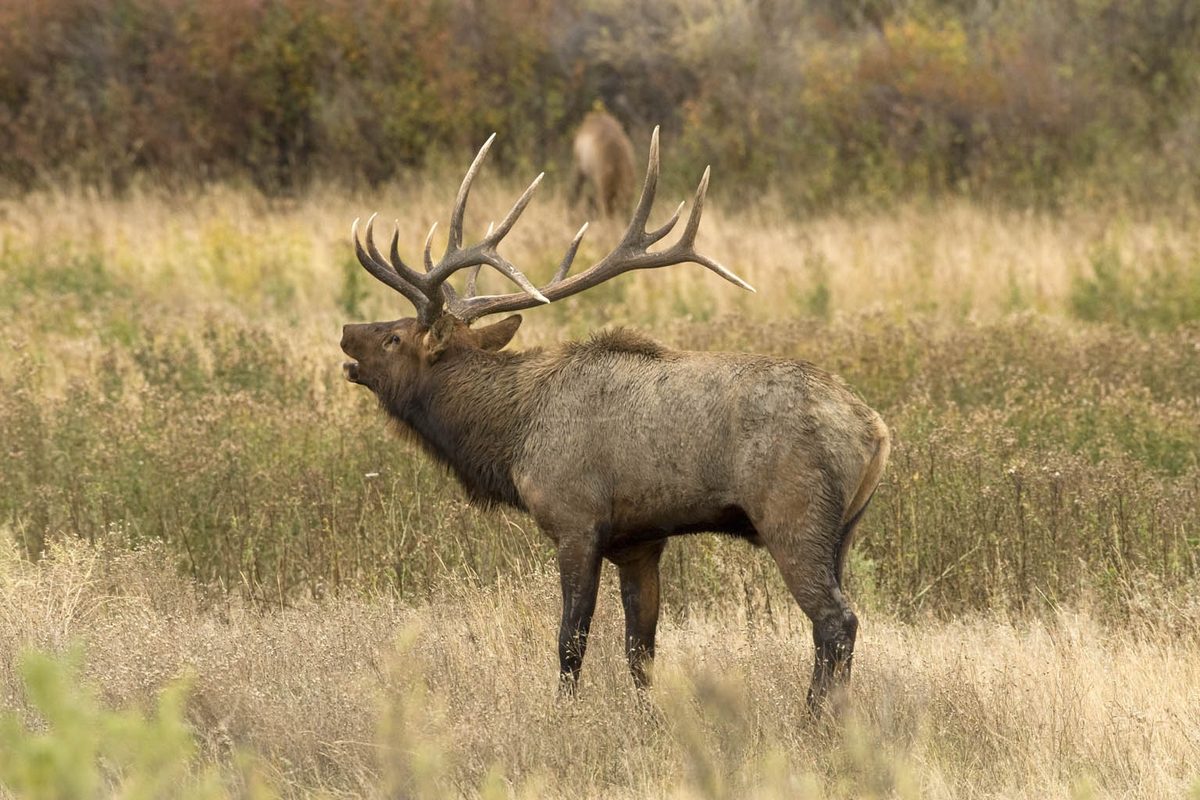
Bull Sounds: The Bugles
Location Bugle
The long, high bugle you hear in the dark. At night a bull feeds with his cows and warns other bulls to keep out of his basin — and other bulls answer to warn him right back. The key isn't how pretty it sounds; it's the ringing tone, a piercing high frequency that carries across a canyon (elk evolved on the prairie, so their signals are built to travel). Bulls rarely make this full bugle in daylight, which is why 3 a.m. is prime time to locate one.
Roundup Bugle
Short and fluty, with no chuckles. A herd bull makes it as he pushes his cows around in an effort to round them up and keep them where he wants them. If you're trailing a bull and the roundup bugles suddenly stop, he probably didn't stop — the herd just dropped over a terrain feature and their sound can't reach you. Move up to the next ridge and re-locate.
Bull-Calling-Cows Bugle
Short, raspy, and — this is the whole trick — no chuckles. It's the bugle a herd bull uses talking directly to his own cows. Joel's way of putting it: you're walking into the bar and talking to the ladies, not the dudes. Made from tight on a herd, it tells the herd bull a stranger is addressing his ladies, and instinct gives him no option but to come remove you. This is the one sound most top callers are actually making when they "call a bull in," even if they give it another name.
Challenge Bugle & the Chuckle
A bugle finished with chuckles — that rapid, stuttering run of notes on the tail. Chuckles are bull-to-bull talk: a bull warning another bull to stay away. That's a useful piece of intel — if you hear a bull bugle with chuckles before anyone has called, you know there's more than one bull in that basin. As a calling strategy, a challenge bugle bets on the bull's mood, and elk mostly don't want to fight (fighting gets them hurt), so its response rate is far lower than talking to his cows.
Tending Bugle
Mostly a soft moan — quiet enough that you often can't hear it from far off. A bull makes it when he's in physical contact with a cow, tending her. Listen for it: a tending bugle, along with glunking and cow sounds, tells you the bull you're working is a herd bull with cows, not a lone satellite. And you can make it yourself — paired with glunking, it fakes a breeding scene that tells bulls in the area you've got a cow in heat, which can bring the party to you.
Glunking
A deep, guttural, gulping sound a bull makes down in a herd of cows. Listen for it: glunking, along with tending bugles and cow sounds, is one of the herd sounds that tells you the bull you're working is a herd bull with cows, not a lone satellite. And plenty of hunters make it too — paired with tending bugles, it simulates a breeding scene.
Cow & Calf Sounds
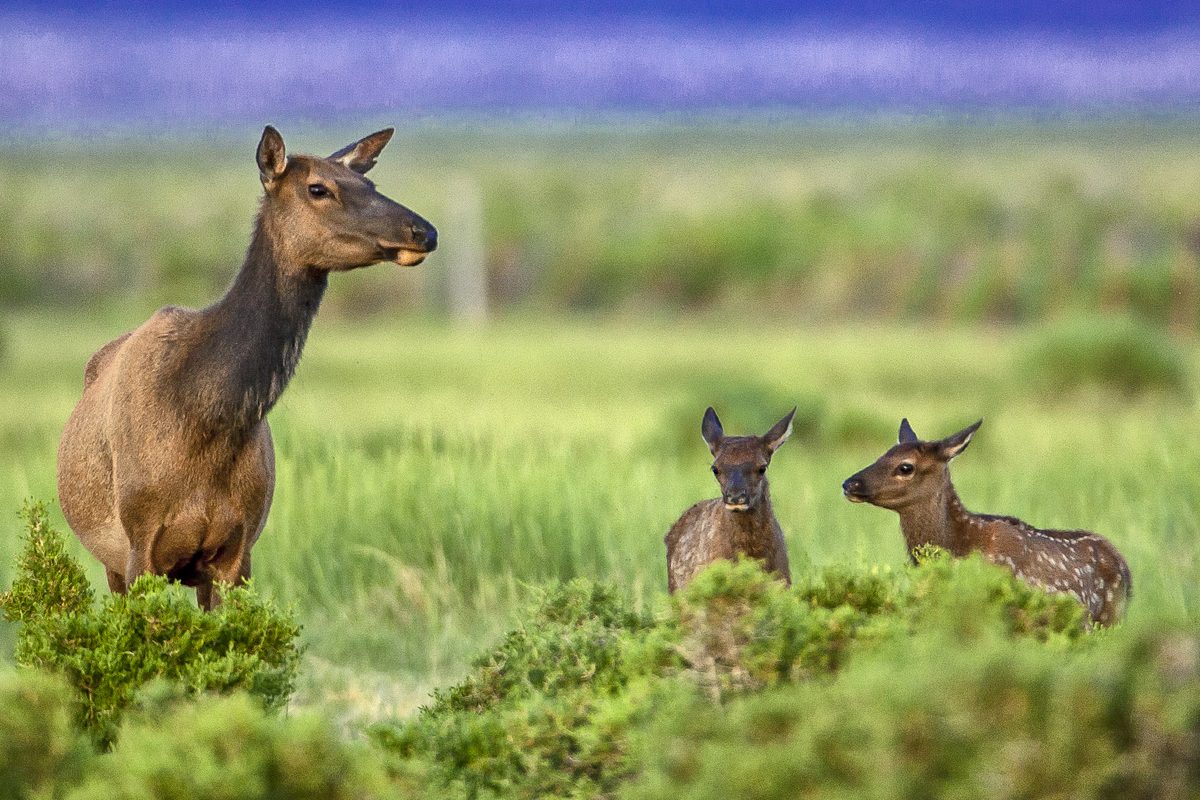
Cow Call (Mew)
A mature cow's mew — the fuller, lower, raspier register Joel calls the cow spectrum. It's the first call most hunters learn, and the one Joel flat refuses to make in the woods. Cows choose their herd bull and don't welcome a strange cow coming to share him: mew near a herd and the real cows get suspicious, drift off, and take the bull with them — because cows lead the herd, not bulls. Make this sound and you're instantly enemy number one to the other cows. It'll pull a lone bull that has no cows, but anywhere near a herd it's a setup-killer.
Calf Mew
A calf's version of the mew — higher and shorter than a cow's. Nothing in the herd is threatened by a calf, so the calf spectrum is the only safe place to make female elk sounds. The number-one mistake is not getting high enough: let the pitch sag (usually from dropping your jaw too far) and the mew slides down into the cow spectrum, where it starts spooking cows.
Distressed Calf Sequence
Not a single polite mew — a frantic, continuous, emotional sequence, the way a genuinely lost calf sounds when it's calling with nearly every breath. It triggers a come-here instinct in everything: cows come to help, and bulls come because they'll breed a calf that stands still long enough. It works all season, it draws elk in with no suspicion and no hang-ups, and it's the call that did the heavy lifting on a season of 67 bulls. (Heads up: it also calls in predators — bears, wolves, cats — so use judgment in that country.)
Which Sounds You'll Hear Depends on the Rut
Which of these sounds are in the woods on a given day depends on where you are in the rut — location bugles before light, roundup bugles as the herd moves at dawn, raspy bull-calling-cows bugles once they bed down mid-morning, and the distressed calf all season long. For the full breakdown of the phases and the exact dates (and why the calling sweet spot runs earlier than most hunters think), see when do elk rut.
A coach in your pocket. 365 days a year.
Record a bugle, cow call, or mew. Get an instant score on pitch, tone, and technique — and a 2x world champion trained correction on exactly how to improve.
Test My Call // Your first test is free — a quick bull-to-cow bugleCurl your lip and drive the growl from your throat through the close — you're fading to clean reed where a bull keeps the rasp.
Frequently Asked Questions
What does an elk bugle mean?
It depends on the bugle. Long, high, and ringing at night is a location bugle (a territorial warning). Short and raspy with no chuckles is a bull talking to his cows. Chuckles on the end make it a challenge aimed at another bull. The chuckle is the tell — bulls chuckle at bulls, not at cows.
What sound does a female elk make?
Cow mews — a note that falls off at the end (mee-eww) — plus chirps and alarm barks. A calf's mew sits higher and shorter, in what Joel calls the calf spectrum. The register matters more than most hunters realize: a frantic lost-calf sequence pulls elk in, while a mature cow mew near a herd makes the cows suspicious.
What is an elk chuckle?
The rapid, stuttering notes a bull adds to the end of a bugle. It's bull-to-bull communication — usually a herd bull warning off a satellite. Hear chuckles before anyone's called and you know there's more than one bull in the basin.
When do elk bugle the most?
There's a brief bugling burst in late August, then quiet, then building daytime bugling as cows start cycling in September. Bulls bugle most at night the whole rut. For the full date-by-date breakdown, see when do elk rut.
Why do elk bugle at night?
At night bulls feed with their cows and warn other bulls off, so they make the long, high, ringing location bugle that carries the farthest. That's why pre-dawn is the best time to locate a bull.
Keep Going
Now that you know what each sound means, learn how to make them and string them into a hunt in the how to call elk guide — or skip straight to testing your own call against these reference sounds.